Skip to content
Beginner Welding Guide
  • MIG Welding
    • Flux Core Welding
  • TIG Welding
  • Stick Welding
    • Welding Rods
  • Projects
  • Instructions
    • Welders
    • Aluminum
    • Brass
    • Chromoly
    • Copper
    • Stainless Steel
    • Brazing
    • Solder
    • Safety
    • Accessories
  • Welding Machines
  • About Us
    • Testing Methodology

Liam Bryant

I've been welding for 15 years, and most of that time has been spent in my workshop in South Houston, Texas. MIG and stick are my bread and butter -- they're what I use day in, day out on everything from farm repairs to fabrication work. I picked up TIG along the way, which comes in handy when I need clean, precise work on thinner material or tighter joints. On this site, I only write about machines I've actually run welds on. When a welder lands in my shop, I put it through its paces on the materials I work with most: mild steel, stainless, and aluminium. I'm not interested in spec sheets -- I want to know how a machine actually performs under real conditions. What I focus on comes down to three things. First, duty cycle under real load -- not the number on the box, but how the machine holds up when you're pushing it for an extended run. Second, wire feed consistency -- whether the feed motor delivers smooth, even wire or gives you the kind of stuttering that wrecks a bead. Third, arc stability -- does the arc stay clean and controlled across the full amperage range, or does it pop and wander when you need it to hold? I'm particularly hard on budget machines because that's where the gap between the spec sheet and real-world performance tends to be widest. A machine that claims 30% duty cycle at 90A needs to prove it to me before I'll recommend it. I also pay close attention to how machines handle the switch between materials -- mild steel forgives a lot, but stainless and aluminium will expose every flaw in arc stability and wire feed. You can read exactly how I test every machine on our testing methodology page.
welding brass

How to Weld Brass: Complete Beginner’s Guide

6-Best-Pipeline-Welders

6 Best Pipeline Welding Machine of 2023 [Ranked]

How-To-Treat-And-Prevent-Welding-Burns

How To Treat And Prevent Welding Burns?

What is Welding Porosity

What Is Porosity In Welding?

Can-I-Use-a-Welding-Mask-to-Look-at-the-Eclipse

Can I Use Welding Mask to Look at an Eclipse?

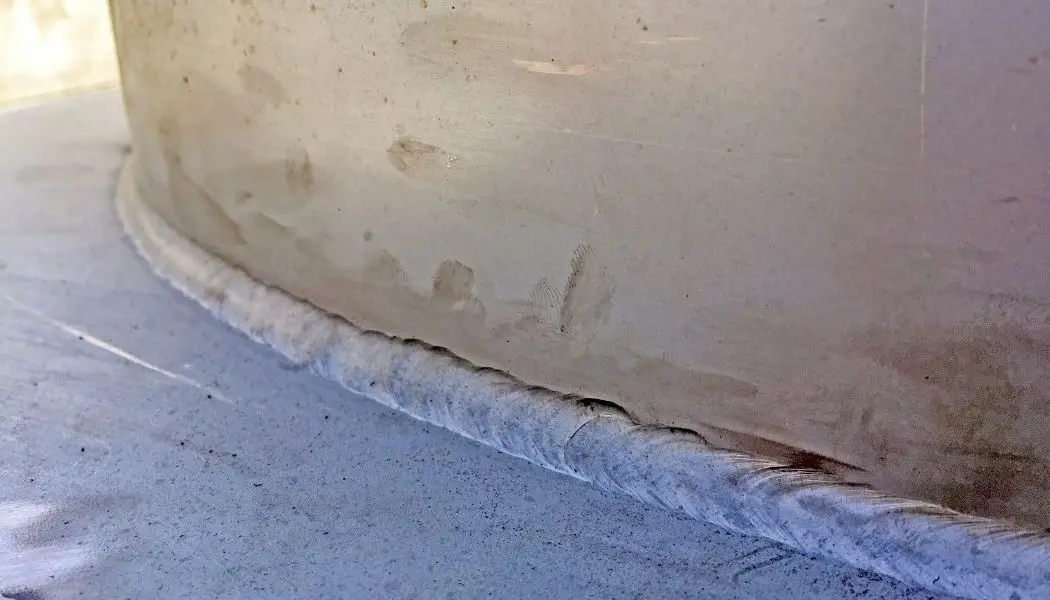
What-is-Undercut-in-Welding

What is Undercut in Welding? How to Prevent It

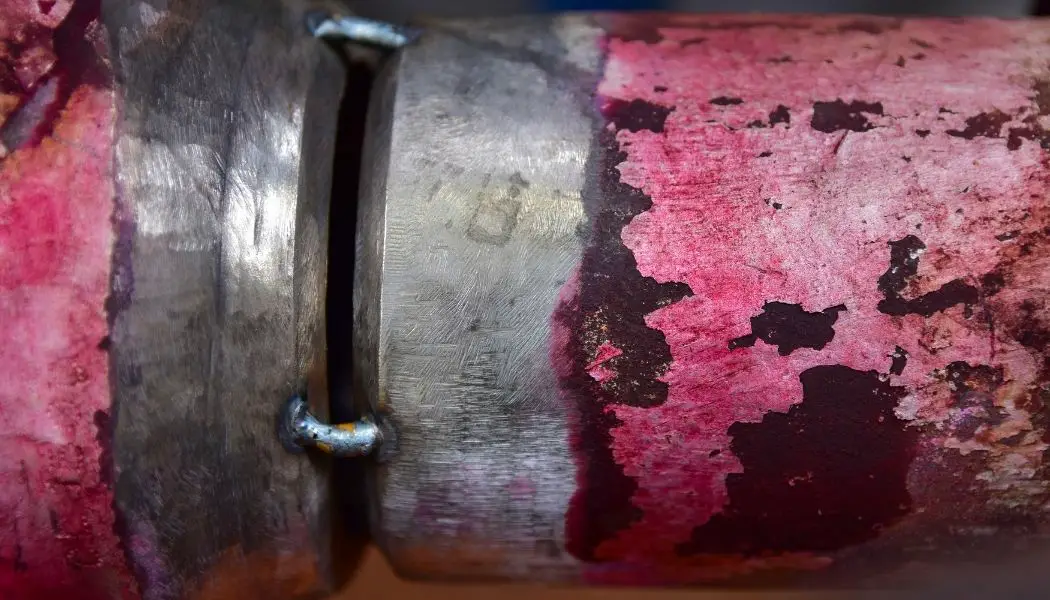
What is Tack Welding? Types, Uses, Gear

What is Tack Welding? Types, Uses, Gear

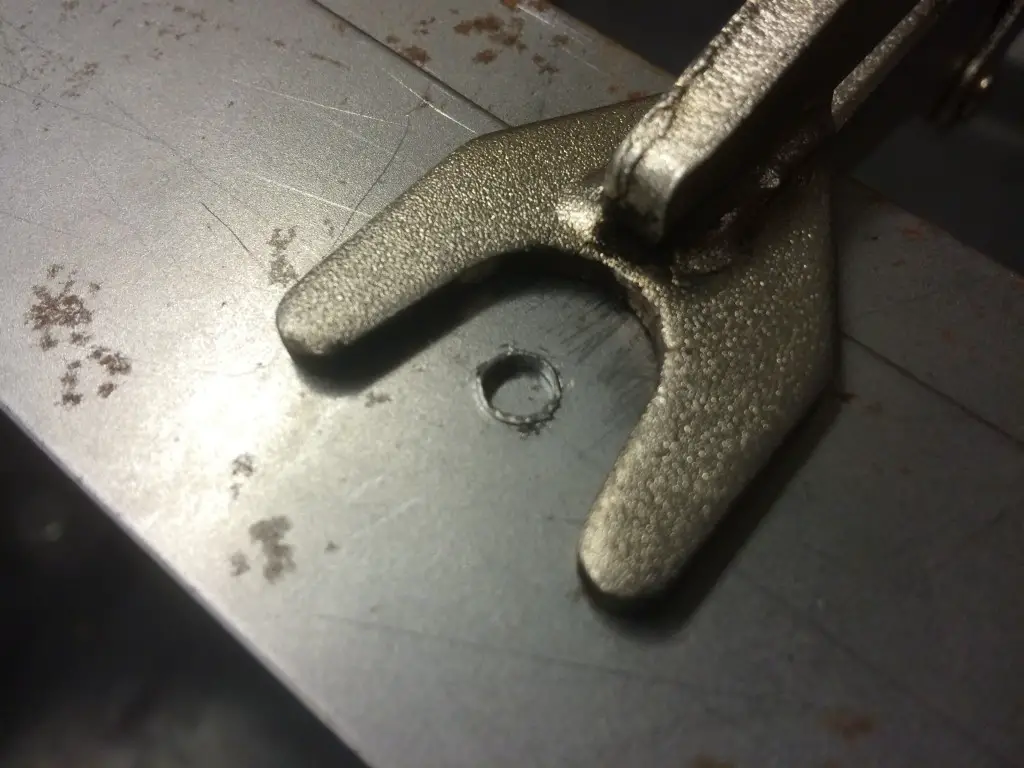
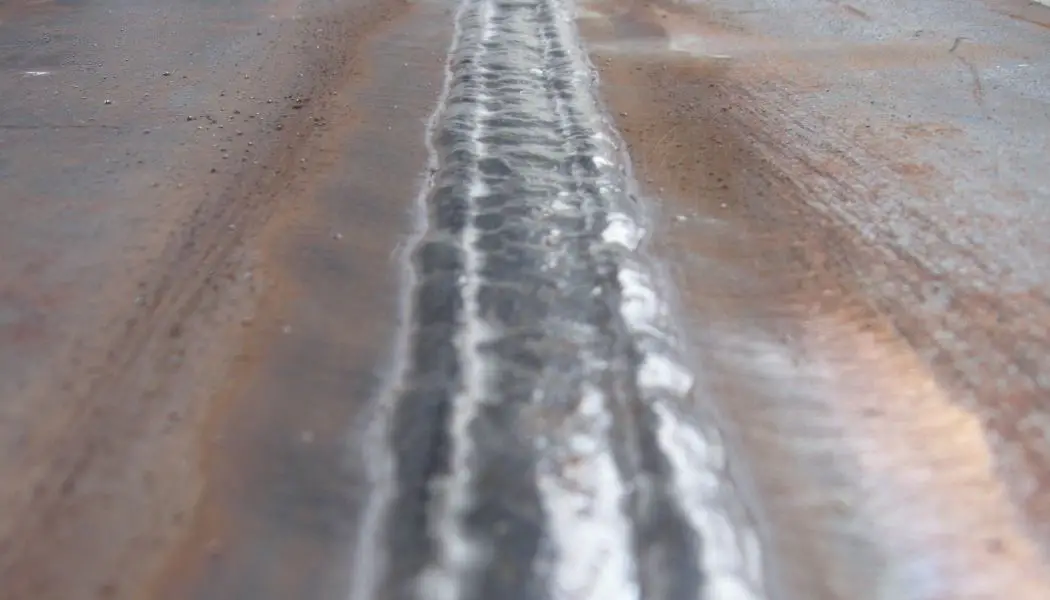
plug welding

Master Plug Welds: Symbols, Tips & Techniques

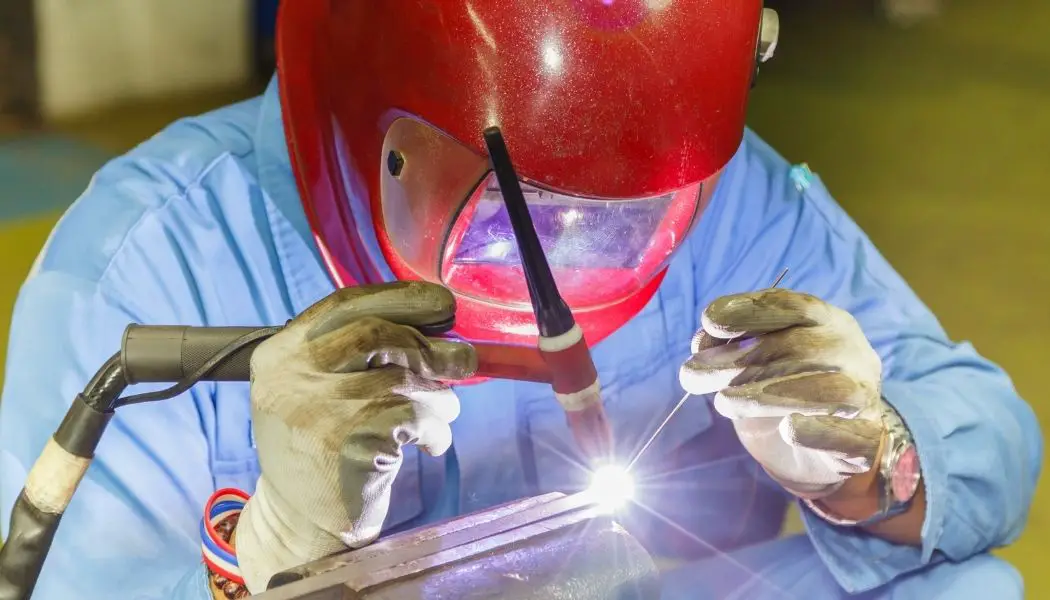
Arc welding

Heliarc Welding: Unlocking the Pros & Cons

What-are-the-Different-Types-of-Weld-Joints

5 Most Common Types of Weld Joints for Beginners

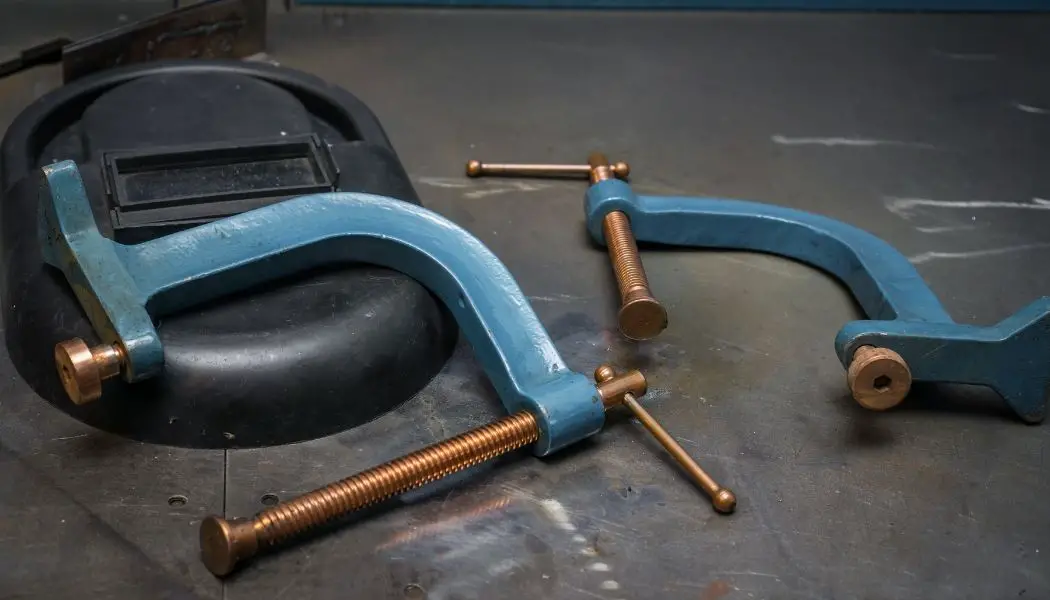
What-are-Welding-Clamps-Used-For-Pros-Cons

What are Welding Clamps Used For?

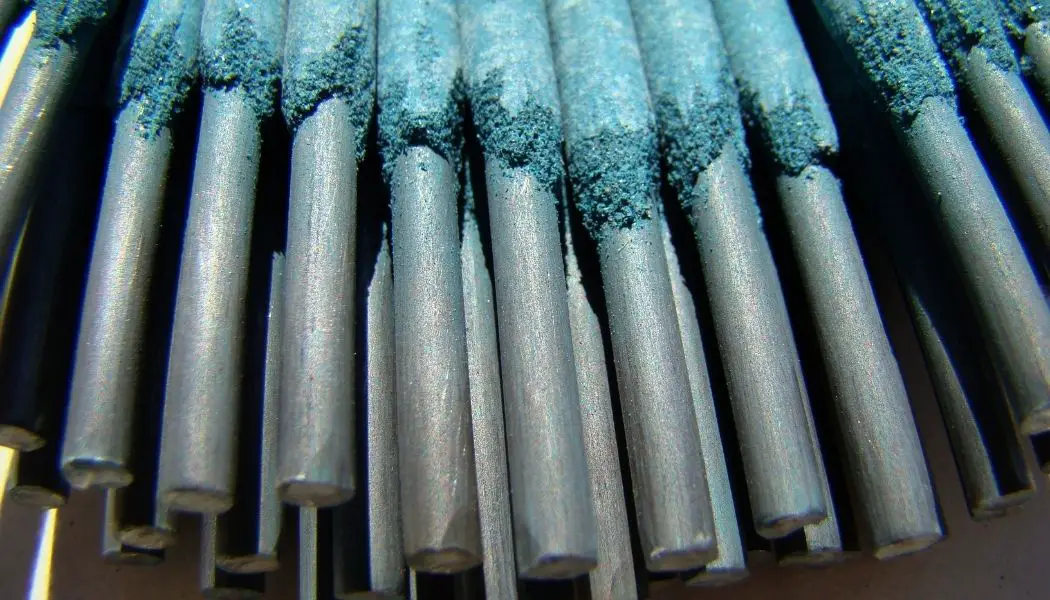
Why Welding Electrodes are Coated?

Why Welding Electrodes are Coated?

Older posts
Newer posts
← Previous Page1 … Page12 Page13 Page14 … Page19 Next →

Beginner Welding Guide

liam@beginnerweldingguide.com
513 S Allen-Genoa Rd South Houston, Texas 77587
Monday, Tuesday, Wednesday, Thursday, Friday, Saturday, Sunday09:00 – 17:00
(832) 564-0440

  • About Us
  • Terms and Conditions
  • Privacy Policy
  • Featured Articles
  • Product Reviews
Beginner Welding Guide © Copyright 2026
Next Page »